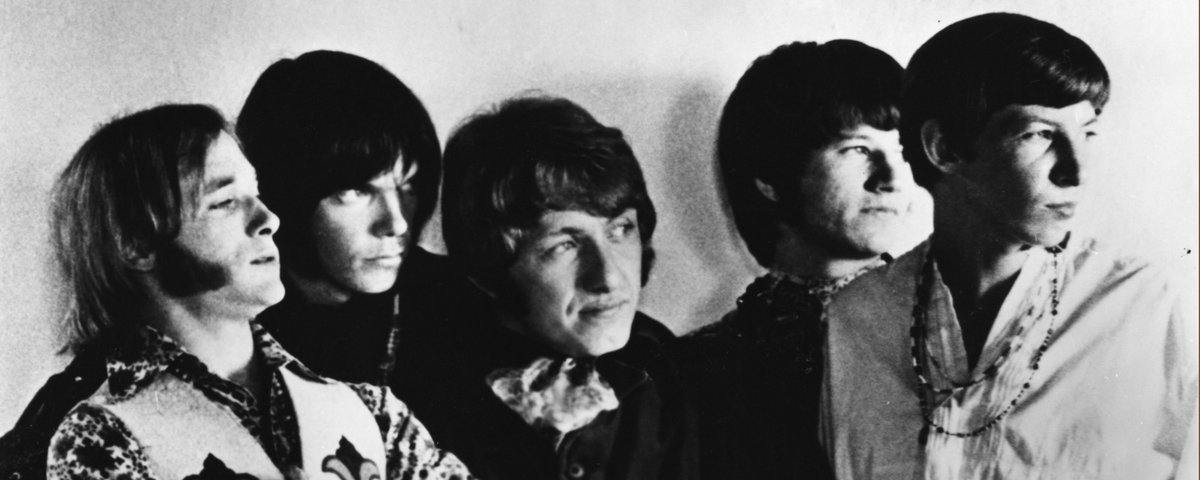
In the vibrant, sometimes chaotic, melting pot of 1960s Los Angeles, a peculiar magic often took hold. Musicians converged, ideas clashed, and new sounds were born. Few bands burned as brightly or as briefly as Buffalo Springfield, whose compelling band history and formation reads like a rock 'n' roll fable – a story of immense talent, creative friction, and an enduring legacy that far outstripped their short time together. They were the architects of a sound that blended folk's introspection with rock's energy and psychedelic flair, paving the way for countless artists who followed.
At a Glance: The Enduring Impact of Buffalo Springfield
- Origin Story: Formed in 1966 in Los Angeles, California, by a chance encounter that felt destined.
- Core Lineup: Canadians Neil Young (guitar, vocals), Bruce Palmer (bass), and Dewey Martin (drums, vocals), alongside Americans Stephen Stills (guitar, keyboards, vocals) and Richie Furay (guitar, vocals).
- Genre Blend: Pioneers of folk rock, psychedelic rock, hard rock, and country rock.
- Lasting Anthem: Responsible for "For What It's Worth," an iconic protest song of the 1960s counterculture.
- Brief Reign: Initially active for just two years (1966-1968), releasing three influential studio albums.
- Hall of Fame Status: Inducted into the Rock and Roll Hall of Fame in 1997 by Tom Petty, cementing their place in music history.
- Name Origin: Inspired by a steamroller parked outside their house, a mundane detail for a legendary band.
The Spark in Laurel Canyon: How Buffalo Springfield Came Together
Imagine Los Angeles in the mid-1960s. The air crackled with change, music was evolving at breakneck speed, and Laurel Canyon was fast becoming the bohemian heart of a burgeoning rock scene. It was here, amidst the creative ferment, that the seeds of Buffalo Springfield were sown. This wasn't a band carefully assembled by a producer; it was a collision of immense, often clashing, personalities.
The story of their formation is famously serendipitous. Stephen Stills, already a veteran of various folk circuits, was growing frustrated with the limitations of the traditional folk scene. He'd met Neil Young and Richie Furay in Canada and recognized a potent chemistry, a shared ambition that transcended genre boundaries. The trio eventually made their way to Los Angeles, but finding the right rhythm section proved elusive.
Then, one day in 1966, a chance sighting on Sunset Boulevard changed everything. Stills and Furay, stuck in L.A. traffic, spotted a hearse with Alberta license plates—the distinctive vehicle belonging to Young and his friend, bassist Bruce Palmer. A frantic U-turn, a high-speed pursuit, and a shouted conversation through car windows later, the core of the band was finally together. Drummer Dewey Martin, an experienced musician with a powerful voice, completed the quintet, solidifying the initial Buffalo Springfield band history and formation.
The name itself, as legend has it, came from an even more prosaic origin: a steamroller manufactured by the Buffalo-Springfield Roller Company, parked outside their rehearsal house. It was a name that, despite its humble roots, would soon become synonymous with groundbreaking music.
The Founding Five: A Look at the Original Lineup's Potent Chemistry
The magic of Buffalo Springfield lay not just in their individual talents, but in the complex interplay between five distinct and often contradictory personalities. This was a true ensemble, each member contributing a vital ingredient to their unique sound.
- Stephen Stills (Guitarist, Keyboardist, Vocalist): Often described as the band's driving force, Stills was a prodigious talent. He possessed a keen melodic sense, an impressive vocal range, and a versatility that saw him seamlessly switch between guitar, bass, and keyboards. His songwriting was often direct and emotionally charged, carrying the band's most recognizable hits. Stills was the glue, but also a formidable presence whose ambition often stoked the band's internal fires.
- Neil Young (Guitarist, Harmonist, Pianist, Vocalist): Even in Buffalo Springfield's early days, Young's enigmatic genius was apparent. His guitar playing, characterized by its distinctive feedback and melodicism, was instantly recognizable. As a songwriter, he leaned towards the introspective, the poetic, and sometimes the dissonant, injecting a darker, more experimental edge into the band's folk-rock foundations. Young's creative vision was powerful, but also notoriously restless, a factor that would contribute to the band's eventual unraveling.
- Richie Furay (Guitarist, Vocalist): Furay provided a crucial balance, his soulful, earnest vocals often serving as the emotional anchor for the band's more intricate harmonies. His songwriting, though perhaps less prolific within Buffalo Springfield than Stills' or Young's, added a warm, country-tinged sincerity that foreshadowed his later work in Poco. Furay was often the peacemaker, the steady presence amidst the storm.
- Bruce Palmer (Bassist): Palmer was the band's resident mystic, his basslines often described as fluid, improvisational, and deeply psychedelic. He didn't just provide a rhythmic foundation; he added a unique sonic texture that defined much of Buffalo Springfield's early sound. Palmer's unconventional approach and offstage eccentricities, however, made him a volatile presence, frequently leading to legal troubles and, ultimately, deportations that plagued the band.
- Dewey Martin (Drummer, Vocalist): A seasoned musician with a powerful, driving style, Martin provided the rhythmic backbone and a strong vocal presence. His drumming added a hard-rock edge that complemented the band's folk and psychedelic leanings. Martin's consistent presence in the rhythm section was invaluable, particularly as the band navigated its turbulent internal dynamics.
This potent mix of talent, ambition, and personality meant Buffalo Springfield was always on the verge of brilliance and implosion simultaneously. Their music was a direct reflection of this synergy and tension.
From Garage Jams to Atlantic Records: Early Days and Breakthrough
Once assembled, Buffalo Springfield wasted no time. They quickly immersed themselves in the vibrant Los Angeles music scene, honing their sound in clubs like The Whisky a Go Go. Their live performances were legendary, characterized by electrifying guitar duels between Stills and Young, tight harmonies, and a raw energy that captivated audiences. They were a band that had to be seen to be believed.
Their unique blend of folk rock, infused with elements of the British Invasion bands like The Beatles and The Rolling Stones, quickly caught the attention of industry insiders. They signed with Atlantic Records in 1966, a label known for its R&B and jazz, but which was then making inroads into rock music. This was a significant step, signaling the industry's recognition of their innovative sound.
Their debut single, "Nowadays Clancy Can't Even Sing," released in August 1966, showcased their lyrical depth and harmonious sound. It garnered some attention, but it was their next release that would catapult them into the national consciousness and define the Buffalo Springfield band history and formation for many.
In January 1967, Buffalo Springfield released "For What It's Worth." Initially written by Stephen Stills in response to police brutality against young protesters on the Sunset Strip, the song became an instant anthem for the burgeoning counterculture movement of the 1960s. Its evocative lyrics – "Paranoia strikes deep, into your heart it will creep... Stop, hey, what's that sound, everybody look what's going down!" – captured the anxieties, hopes, and rebellious spirit of a generation. The song was certified Platinum in Britain and remains one of the most iconic and recognizable protest songs of all time. Its success proved that Buffalo Springfield was more than just a talented band; they were a voice for a changing world.
A Brief, Brilliant Blaze: The Albums and Their Legacy
Despite their short tenure, Buffalo Springfield managed to release three studio albums, each a snapshot of their rapid evolution and internal struggles.
Buffalo Springfield (1966): Raw Energy and Emerging Voices
Their self-titled debut album, released in December 1966 (and quickly re-released in March 1967 to include "For What It's Worth"), captured the raw energy of their live performances. It introduced the world to their distinctive blend of folk, rock, and nascent psychedelia. Beyond "For What It's Worth," the album featured early songwriting gems from Stills, Young, and Furay, showcasing their individual strengths and collective chemistry. It was a powerful introduction, hinting at the depth and innovation yet to come.
Buffalo Springfield Again (1967): Creative Peak and Deepening Cracks
Released in October 1967, Buffalo Springfield Again is often considered their creative pinnacle. This album saw the band push their boundaries, experimenting more deeply with psychedelic sounds and intricate arrangements. Tracks like Neil Young's "Mr. Soul" (with its riff-based similarity to The Rolling Stones' "I Can't Get No Satisfaction") and "Expecting to Fly" (a lush, orchestral track that highlighted Young's growing ambition) demonstrated a remarkable leap in songwriting and production. Stills contributed powerful songs like "Bluebird" and "Rock & Roll Woman," showcasing his versatility.
However, behind the scenes, the cracks were already deepening. The album was recorded amidst increasing tension, with members often recording their parts separately. Bruce Palmer's legal troubles continued to cause disruptions, leading to his temporary replacement by others. Buffalo Springfield Again is a testament to their talent, a brilliant artistic statement forged in the fires of internal conflict.
Last Time Around (1968): A Posthumous Farewell
Last Time Around, released in July 1968, was a melancholic epilogue. By the time it hit the shelves, the band had essentially ceased to exist. Recorded piecemeal, largely with individual members contributing their own songs and often playing on each other's tracks without much collective interaction, it lacked the cohesive band feel of its predecessors.
Despite this, the album contains some stunning material, including Neil Young's poignant "I Am a Child" and "On the Way Home," Stephen Stills' "Questions," and Richie Furay's "Kind Woman." It served as a bittersweet testament to the incredible songwriting talent within the group, even as it underscored their inability to sustain a collective unit. Last Time Around was less an album by a band and more a collection of brilliant individual efforts, marking the end of Buffalo Springfield's recording career.
Why the Flame Died Fast: Internal Conflicts and External Pressures
The story of Buffalo Springfield is often cited as a prime example of a band torn apart by its own brilliance and the pressures of the music industry. Their rapid dissolution, after just two years, was a result of a complex interplay of factors:
- Egos and Creative Differences: The primary engine of the band's demise was the intense creative rivalry, particularly between Stephen Stills and Neil Young. Both were prolific, visionary songwriters and guitarists, each with a strong sense of how the band's music should evolve. This friction, while initially fueling their innovative sound, eventually became insurmountable. They struggled to share the spotlight and reconcile their divergent musical directions.
- Bruce Palmer's Legal Issues: Bassist Bruce Palmer's frequent run-ins with immigration authorities, stemming from drug-related charges, led to multiple deportations. These forced absences meant the band constantly had to find temporary replacements, disrupting their tours and recording sessions, and draining their momentum.
- The Unrelenting Pace of the Industry: The 1960s music scene was relentless. Bands were expected to tour constantly, record new material, and promote singles. This grueling schedule, combined with the internal strife, proved unsustainable for Buffalo Springfield.
- Drug Use: Like many bands of the era, drug use was prevalent, adding another layer of instability and unpredictability to their already fragile dynamics.
- Lack of Clear Leadership: While Stills often took a leading role, the lack of a unified vision or a strong, consistent mediator meant conflicts often escalated rather than being resolved. The band was a democracy in theory, but often a battleground in practice.
These factors converged to create an environment where the immense talent could no longer coexist peacefully. By early 1968, the decision was made to disband, leaving behind a small but incredibly influential body of work.
The Aftermath and Lasting Influence
While Buffalo Springfield was short-lived, its impact on rock music was profound and long-lasting. The individual members went on to achieve even greater fame, further solidifying the band's legacy as a launching pad for musical giants.
Stephen Stills, alongside David Crosby (The Byrds) and Graham Nash (The Hollies), formed the iconic supergroup Crosby, Stills & Nash (later Crosby, Stills, Nash & Young). This new venture would become one of the most successful and influential groups of the late 1960s and 70s, carrying forward the harmonious folk-rock sound Buffalo Springfield had pioneered.
Neil Young embarked on a hugely successful and critically acclaimed solo career, cementing his status as one of rock's most enduring and enigmatic artists. His work, ranging from folk and country to hard rock and experimental sounds, has consistently pushed boundaries and maintained a loyal following.
Richie Furay co-founded Poco, a pioneering country-rock band that further explored the country influences he brought to Buffalo Springfield. His contributions helped shape the sound of an entire genre. Dewey Martin continued to perform in various iterations of "New Buffalo Springfield" and other projects, though never reaching the same heights. Bruce Palmer, after a period of further musical exploration and personal challenges, largely retreated from the spotlight.
The band's enduring significance was officially recognized in 1997 when Buffalo Springfield was inducted into the Rock and Roll Hall of Fame. The induction speech was delivered by none other than legendary musician Tom Petty, who spoke of their unique blend of harmony and dissonance, calling them "one of the best bands of all time."
Decades after their initial breakup, there were brief moments of reunion. Neil Young, Stephen Stills, and Richie Furay performed together as Buffalo Springfield at the Bridge School Benefit concerts in 2010 and embarked on a short tour in 2011. While these reunions offered a glimpse of the magic, they were fleeting, a testament to the fact that some legends are best preserved in their original, potent form.
FAQ: Untangling the Buffalo Springfield Story
Why did Buffalo Springfield break up?
Buffalo Springfield broke up primarily due to intense creative differences and ego clashes between principal songwriters Stephen Stills and Neil Young, coupled with constant legal troubles and deportations for bassist Bruce Palmer, and the general pressures of the music industry.
What made their sound unique?
Their sound was unique because it was a masterful blend of several genres: the lyrical depth of folk, the driving energy of rock, the experimental textures of psychedelic music, and the melodic sensibilities of country rock. They were also heavily influenced by British Invasion bands, but crafted something distinctly American.
Who wrote Buffalo Springfield's most famous songs?
Stephen Stills and Neil Young were the primary songwriters for the band's most famous tracks. Stills famously wrote "For What It's Worth," while Young penned classics like "Mr. Soul" and "Expecting to Fly." Richie Furay also contributed significant songs, such as "Kind Woman."
Are Buffalo Springfield considered a "supergroup"?
While the term "supergroup" is often applied to bands formed from already famous members of other successful bands (like Crosby, Stills & Nash), Buffalo Springfield wasn't initially a supergroup. However, given the immense subsequent success of its members (especially Stills and Young), it's often retrospectively viewed as a "proto-supergroup" or a band that produced future rock royalty.
A Short Chapter, An Enduring Sound
The Buffalo Springfield band history and formation is a compelling narrative of talent, ambition, and the fleeting nature of creative partnerships. They were a band that, despite their brevity, left an indelible mark on the landscape of popular music. Their unique fusion of folk, rock, and psychedelia paved the way for genres like country rock and deeply influenced countless musicians who followed, from The Eagles to Tom Petty.
Their story reminds us that sometimes, the most brilliant flames burn the fastest. But the heat and light they generate can last for generations. If you've never truly delved into their discography beyond "For What It's Worth," now is the time to explore the full breadth of their brief, beautiful legacy. You'll discover a band whose artistry continues to resonate, speaking to the timeless themes of protest, passion, and the ever-present search for truth in sound.