The opening strum of an electric guitar, two slow, tremolo-laden notes, immediately pulls you into a world on edge. This isn't just music; it's a meticulously crafted soundscape designed to reflect a brewing storm. The Musical Composition and Production of 'For What It's Worth' isn't merely the backdrop to Buffalo Springfield's iconic protest anthem; it's the very soul that elevates its urgent message from a mere statement to an enduring, chilling prophecy. How did Stephen Stills and his bandmates weave such potent magic, creating a track that resonates as powerfully today as it did amidst the turmoil of 1960s America?
This isn't about grand, over-the-top pronouncements. It’s a masterclass in subtlety, tension, and the strategic deployment of every musical element to mirror societal unrest. From its hushed beginnings to its climactic, unresolved fade, "For What It's Worth" stands as a testament to how composition and production, when wielded with intent, can transform a song into a historical document and a timeless warning.
At a Glance: Crafting a Timeless Warning
- Subtle Start, Powerful Build: The song begins with an understated arrangement, gradually adding layers of intensity.
- Narrative Through Sound: Musical choices directly mirror the lyrical progression from unease to outright paranoia.
- Iconic Instrumentation: Stephen Stills' conversational vocals and Neil Young's strategic guitar breaks are central to the song's emotional arc.
- Genre-Bending Brilliance: Blends folk and country & western traditions to create a distinct, impactful sound.
- A Prophetic Production: The unresolved ending and nuanced composition perfectly capture the escalating social tensions it warns against.
- Lessons for Modern Producers: Demonstrates timeless principles of arrangement, dynamics, and emotional storytelling through sound.
The Sound of Suspense: Engineering an Uneasy Opening
Imagine a recording studio in the mid-1960s, a hub of creativity and nascent technological prowess. The goal for "For What It's Worth" wasn't just to record a song but to bottle a feeling—the palpable anxiety of a nation grappling with change. The composition starts with this premise, laying down a foundation of almost unsettling quiet.
The electric guitar's initial tremolo notes are more than just an intro; they're a question mark hanging in the air, a sonic representation of "What it is ain't exactly clear." This choice immediately sets a mood of apprehension, drawing the listener in with its understated elegance. Beneath it, a quiet drum beat provides a restrained pulse, barely there but undeniably present, like a heartbeat under stress. The acoustic guitar adds a "laid-back L.A. funk riff," a paradoxical element that grounds the ethereal electric notes in something slightly more familiar, yet still tinged with unease.
Stephen Stills' vocals enter, quiet and conversational, almost hesitant. This isn't a protest shout; it's a whispered observation, an intimate sharing of growing alarm. The opening lyrics, "There’s something happening here. What it is ain’t exactly clear. There’s a man with a gun over there, Telling me I got to beware. I think it’s time we stop, children, what’s that sound? Everybody look what’s going down," perfectly align with the sparse, almost fragile instrumentation. This deliberate emotional reserve from the singer, juxtaposed against the dramatic events described, creates an immediate tension—a hallmark of brilliant musical storytelling. The careful composition of these initial layers, prioritizing mood over bombast, is what makes the song's eventual build-up so incredibly effective.
Building the Battle Lines: Layering Intensity Through Arrangement
As the song progresses, the production strategically layers additional musical elements to reflect the escalating conflict described in the lyrics. The second verse, "There’s battle lines being drawn. Nobody’s right if everybody’s wrong. Young people speaking their minds, Getting so much resistance from behind," details increasing polarization. Here, the production subtly widens, the instruments feeling a bit more present, the overall soundscape growing slightly denser.
This is where Neil Young’s electric guitar break makes its first impactful appearance. It's not an explosion of sound but a deliberate, almost mournful interjection that speaks volumes. His distinct tone and melodic choices add to the "growing intensity" without overpowering Stills' narrative. It’s a moment of musical commentary, a sonic sigh that acknowledges the unfolding conflict and hints at deeper turmoil. This kind of nuanced arrangement, where each instrument serves a specific emotional and narrative purpose, is a masterclass for anyone exploring the craft of songwriting.
The third verse pushes the envelope further: "What a field day for the heat. A thousand people in the street, Singing songs and carrying signs, Mostly say, 'Hooray for our side.'" Here, the word "heat" carries multiple meanings—physical temperature, emotional intensity, a pistol, and slang for police—and the music responds with increasing pressure. Ominous descending background vocals begin to creep into the mix, adding a chilling, almost Greek chorus-like dimension. Stretched guitar notes further "intensify the mood," creating a sense of dread that mirrors the divisiveness articulated in the lyrics. These production choices are not accidental; they are finely tuned tools to evoke specific emotional responses, demonstrating a deep understanding of how sound can manipulate perception.
The Climax of Paranoia: Distortion, Drums, and the Unvanquished Threat
The final verse brings the song to its terrifying crescendo. "Paranoia strikes deep: Into your life it will creep. It starts when you’re always afraid. You step out of line, the man come and take you away." This explicit warning of lost innocence and creeping violence is met with the song's musical climax.
The background vocals become more pronounced, swirling around Stills' increasingly impassioned delivery. Hand claps are introduced, adding a rhythmic urgency and a human element—a collective, almost ritualistic affirmation of the fear. Most significantly, Neil Young's distorted guitar now weaves throughout the entire verse and subsequent choruses, no longer just a break but a constant, piercing presence. This distorted texture isn't just noise; it’s the sound of fear itself, intrusive and pervasive, mirroring the lyrical prophecy that paranoia "into your life it will creep." This strategic use of distortion and percussive elements elevates the lyrical content, turning a warning into an immediate, visceral experience.
The song concludes with repeated choruses, but the tension never truly resolves. Young's guitar fades, leaving the stated threat "unresolved and 'unvanquished.'" This compositional choice is perhaps the most brilliant and unsettling. There's no triumphant resolution, no clear path forward offered by the music. Instead, it leaves the listener with the lingering question, the palpable unease, perfectly encapsulating the uncertain and escalating tensions of the era. The production ensures that the message isn't just heard, but deeply felt, proving that effective production is not just about making things sound good, but about making them feel right. Mastering essentials of audio mixing is crucial for achieving such dynamic and emotional effects.
The Title's Subtle Power: A "Cooling Emotional Effect"
One of the most intriguing aspects of "For What It's Worth" is its title, which never actually appears in the lyrics. This deliberate omission serves a profound purpose. The phrase "For What It's Worth" acts as a commentary on the entire situation, inviting listeners to evaluate the expressed opinions rather than passively accepting them. This simple, conversational phrase has a "cooling emotional effect," providing a slight detachment that allows for critical reflection.
In a song so steeped in tension and escalating fear, the title offers a moment of intellectual space. It suggests humility from the narrator, a willingness to present an observation without demanding agreement, even as the musical production builds an undeniable sense of urgency. This compositional choice is a sophisticated layer, distinguishing the song from a purely polemical protest anthem and instead positioning it as a deeply insightful social commentary. It’s a subtle yet powerful example of how elements outside the direct lyrical content can shape a song’s meaning and impact.
Roots and Evolution: Folk, Rock, and a Prophetic Legacy
"For What It's Worth" masterfully blends elements of folk and country & western traditions, using their often gentle, narrative structures to counter and warn against the more "aggressive tendencies often associated with rock music." This genre fusion is a key part of its unique sonic identity and its ability to deliver a potent message without resorting to overt aggression. The acoustic guitar's laid-back riff, Stills' conversational vocals, and the overall understated beginning all nod to these calmer traditions, making the eventual intrusion of distortion and ominous backing vocals all the more impactful.
The song was, in many ways, prophetically warning of increasing polarization and violence in American society. It advocated for diversity and free speech, yet carefully avoided taking an overt political stance. Stills subtly cautioned his peers that rigid defense of their positions could inadvertently jeopardize the very freedoms they aimed to protect.
This prophecy tragically manifested years later with Crosby, Stills, Nash & Young's "Ohio," a commemoration of students killed at Kent State, directly reflecting the violent confrontations "For What It's Worth" had warned about. The evolution of the song’s performance also speaks volumes: later live renditions by 1971 saw Stills’ emotional reserve shift to more "histrionic" vocals, signaling the escalating tensions of the era had finally broken through even his initial composure. This demonstrates how even after initial composition and production, a song's meaning and emotional delivery can continue to evolve, reflecting the ongoing narrative of its context.
Timeless Production Lessons from Laurel Canyon
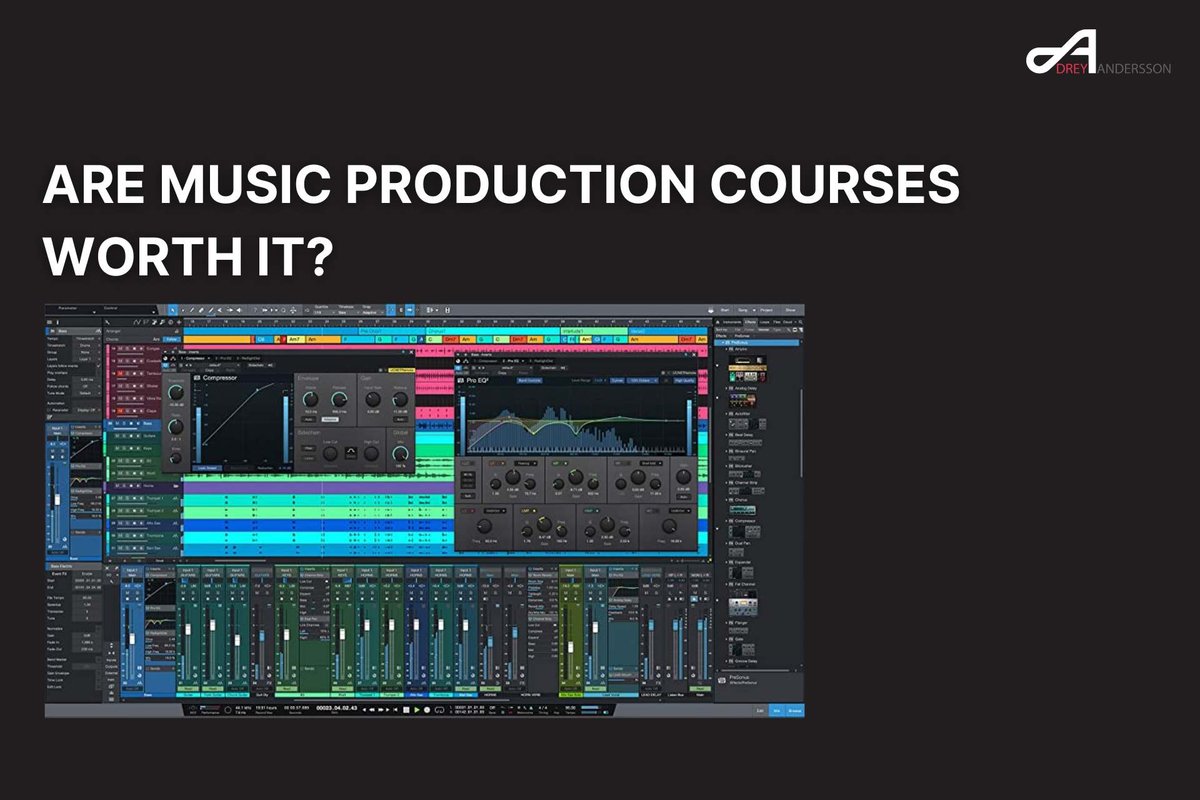
While "For What It's Worth" predates modern music production schools and Digital Audio Workstations (DAWs) like Pro Tools or Logic Pro, the principles behind its creation are enduring. The producers and musicians of Buffalo Springfield achieved through intuition, experience, and raw talent what aspiring producers today learn systematically.
Consider the meticulous attention paid to:
- Arrangement Dynamics: The gradual introduction of instruments, the swelling of background vocals, and the strategic deployment of Neil Young's guitar break illustrate a masterful understanding of how to build and release tension. Modern production students still study such techniques to craft compelling narratives in sound.
- Sound Design & Tone: The specific choice of a tremolo electric guitar for the opening, the quiet drum beat, the distinct acoustic riff, and later, the introduction of distorted guitar all contribute to a carefully sculpted soundscape. Each tone serves the narrative, demonstrating that instrument choice and sonic texture are critical compositional decisions.
- Vocal Delivery and Emotion: Stills’ conversational, emotionally reserved vocals are as much a production choice as any effect. They dictate the intimacy and immediacy of the message, showing how vocal performance is integrated into the overall production.
- Creating an "Unresolved" Ending: The fade-out with Young’s guitar, leaving the threat lingering, is a brilliant example of using production to reinforce thematic content. It's a powerful lesson in how to manage listener expectations and emotional impact.
These elements collectively showcase an advanced understanding of how to translate abstract feelings and complex social commentary into a coherent, impactful auditory experience. It’s a prime example of why understanding navigating the music industry requires not just business acumen, but a deep appreciation for the artistry of sound.
What Modern Music Production Education Teaches (and How it Relates)
Today, aspiring producers seeking to emulate the kind of thoughtful composition and impactful production seen in "For What It's Worth" often turn to dedicated music production schools. While the technology has evolved dramatically, the core educational tenets align with the intuitive mastery displayed by Buffalo Springfield:
- Audio Engineering Fundamentals: Schools like Berklee College of Music or Full Sail University teach students the science of sound—acoustics, microphone techniques, signal processing. These are the modern tools to achieve the clarity of Stills' vocals or the distinct sound of Young's guitar.
- Production Techniques: Students learn how to build arrangements, layer tracks, create dynamics, and use effects—skills directly applicable to crafting the tension and release heard in "For What It's Worth." USC Thornton School of Music's program, for instance, integrates digital production with composition.
- Music Theory and Arrangement: Understanding harmony, melody, and rhythm is crucial for composing impactful pieces, from a laid-back L.A. funk riff to ominous descending background vocals. Programs at institutions like Carnegie Mellon University blend music with technology, offering deep dives into these areas.
- Sound Design: Creating specific textures and sonic moods, such as the tremolo guitar's unease or the distorted guitar's paranoia, is a fundamental aspect of sound design, a skill honed in many programs including SAE Institute’s audio diploma.
- Digital Audio Workstations (DAWs): While Pro Tools and Logic Pro didn't exist for "For What It's Worth," these tools are now central to implementing the techniques of arrangement, mixing, and mastering. Exploring Digital Audio Workstations like these is essential for modern producers.
Attending a music production school isn't a prerequisite for success—many legendary producers are self-taught—but it provides a structured environment to gain "crucial knowledge, tools, and connections." For instance, Musicians Institute offers comprehensive degrees and certificates that cover these exact skill sets, providing hands-on experience and access to professional-grade gear that mirrors the ideal studio environment for crafting a track like "For What It's Worth."
The Evolving Landscape: AI in Music Production and Education
Looking forward, the landscape of music composition and production is continually shaped by new technologies, with Artificial Intelligence (AI) emerging as a significant force. While "For What It's Worth" was a purely human endeavor, today's aspiring producers can leverage AI in ways that might assist, augment, or even challenge traditional approaches.
AI is already influencing music production education by:
- Personalized Learning: AI can analyze a student's progress in a program like Drexel University's Music Industry Studies and suggest customized lessons or exercises, helping them master concepts like dynamic arrangement or sound design.
- Instant Feedback: Imagine an AI "virtual mentor" offering real-time advice on a mix, pointing out imbalances or suggesting alternative instrument voicings, much like a seasoned engineer might have guided Buffalo Springfield.
- Creative Augmentation: AI tools can help with generating melodic ideas, developing rhythmic patterns, or even suggesting harmony progressions, speeding up the compositional process. This means a producer could quickly prototype different "L.A. funk riffs" or "ominous background vocals" before committing to a final recording.
The "future of music with AI" leveraging technology in music production suggests a world where technology works hand-in-hand with human creativity. While AI can't replicate the raw, human emotion and social commentary that fueled "For What It's Worth," it can undoubtedly provide powerful tools for shaping, refining, and producing the next generation of impactful music. The core lessons of intentional composition and production, however, remain timeless, regardless of the tools at hand.
Crafting Your Own Message: Lessons for the Aspiring Producer
"For What It's Worth" isn't just a classic song; it's a masterclass in how composition and production can fuse to create a deeply resonant message. For anyone aspiring to make their mark in music, whether as a composer, producer, or both, here are actionable takeaways:
- Start with Intent: Every musical element, from the opening tremolo to the fading distortion, serves a purpose in "For What It's Worth." Before you even touch a fader or a guitar string, define the emotional core and narrative of your piece. What story are you telling? What feeling are you trying to evoke?
- Embrace Dynamics and Tension: Don't be afraid of quiet. The power of "For What It's Worth" lies in its slow burn, its gradual build of intensity. Learn to manipulate dynamics, not just volume, but the density and energy of your arrangement, to keep listeners engaged and to amplify your message.
- Instrumentation as Character: Each instrument in "For What It's Worth" plays a distinct role, almost like a character in a play. Consider how each part contributes to the overall narrative. Does your bass line evoke stability or unease? Does your lead guitar cry out or whisper?
- The Power of the Unsaid: The title's absence from the lyrics, the unresolved ending—these are powerful compositional choices. Think about what you don't say or play, and how that silence or ambiguity can enhance your message. Sometimes, leaving questions unanswered makes an impact far greater than any definitive statement.
- Study the Masters: Dissect songs like "For What It's Worth" note by note, layer by layer. Listen for how the drums interact with the bass, how the vocals sit in the mix, and how effects are used (or not used). This kind of active listening is an invaluable education, revealing the timeless techniques that transcend technology.
The legacy of "For What It's Worth" reminds us that truly impactful music is born from a symbiotic relationship between thoughtful composition and meticulous production. It's about more than just notes and rhythms; it's about crafting an experience, a feeling, and a message that resonates long after the final chord fades. That's the real worth of the song, and the enduring lesson for every aspiring creator.